The Bali casino idea is back. On 27 October Agung Bagus Pratiksa Linggih, chair of Commission II of the Bali provincial parliament (DPRD), said legal casinos should be studied as a way to raise regional revenue. A day later the Bali Tourism Board rejected the idea. Gambling is illegal in Indonesia, and no law or regulation has been proposed. For hotel owners and investors, the useful part of this story is not the casino. It is the board’s list of what Bali should fix instead, because each item affects hotel costs and demand.
Key facts
| Item | Detail |
|---|---|
| Proposal | Study legal casinos as a source of regional own-source revenue (PAD) |
| Proposed by | Agung Bagus Pratiksa Linggih (Golkar), chair of Commission II, Bali DPRD |
| When | 27 October 2026 |
| Context | Closure of tajen, cockfighting linked to gambling |
| Suggested access | Foreign tourists only, with conditions such as financial means |
| Response | Bali Tourism Board rejects it; tour operators’ association ASITA also disagrees, according to the board |
| Legal status | Gambling is illegal in Indonesia; no draft law or regulation |
What happened
The idea came up in a debate over tajen. Some fans want it reopened. Linggih argued that it would be better to study a legal casino scheme than allow gambling to continue informally, with profits that never reach public budgets. Casino revenue, he said, could pay for infrastructure and skills. He said access could be limited by conditions such as a visitor’s financial means, and told Bali Post that casinos would be only for foreign tourists. He also said Indonesia competes with the rest of ASEAN, not just with other provinces.
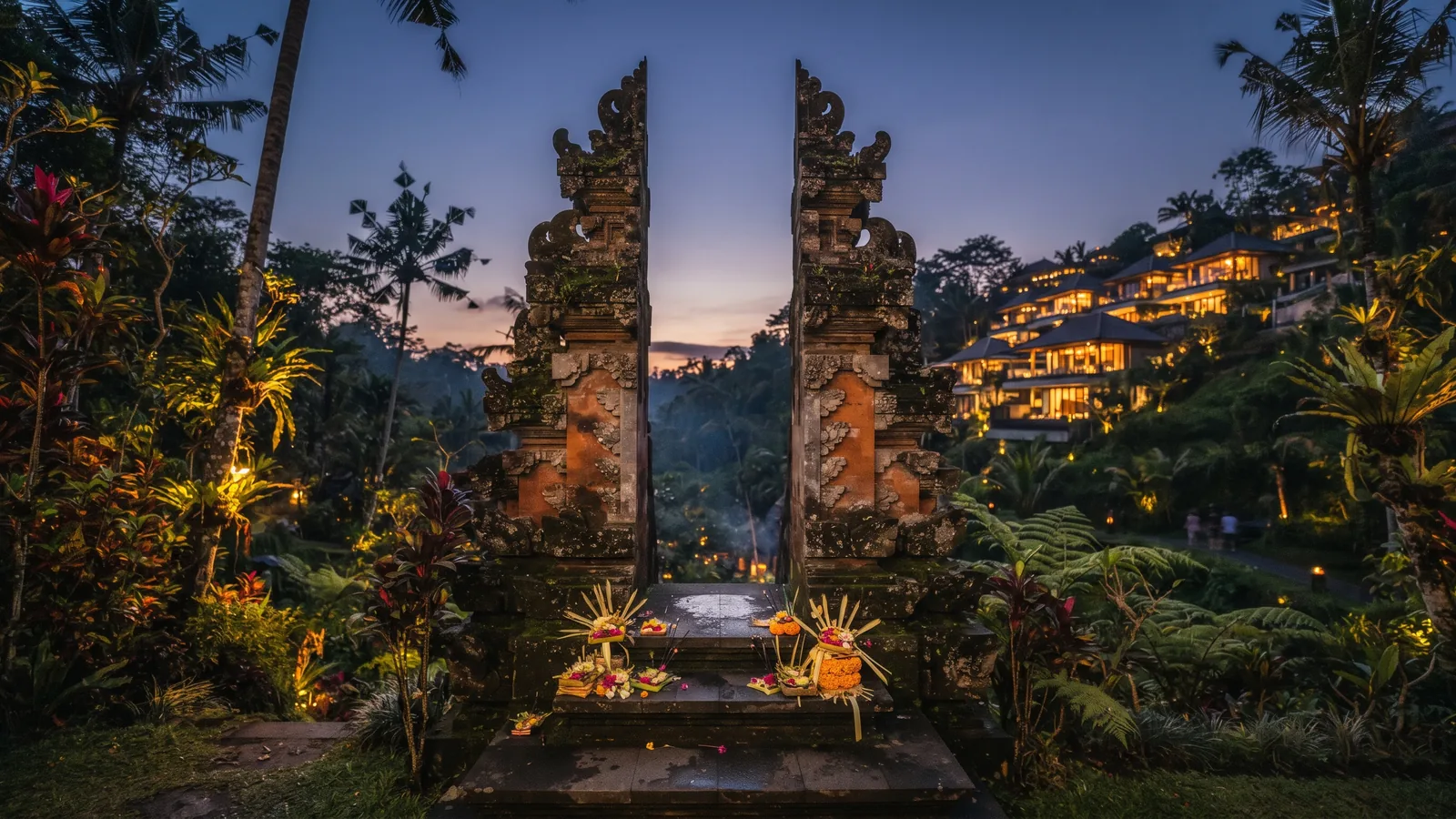
The Bali Tourism Board answered in writing. Ida Bagus Agung Partha Adnyana said casinos do not fit the direction of Bali tourism, whose strength is culture, tradition and spirituality. He said casino guests stay at the tables and do not lengthen stays across the island. Modern casinos are built as enclaves, he said, so spending stays inside and does not reach small local businesses. He also raised the risk of money laundering.
Our read
Do not put a casino in a Bali business plan. A national ban, the province’s culture-first brand and opposition from the tourism trade all stand in the way. One legislator asking for a study is a long way from a licence.
The reason the idea keeps coming back is money. Bali wants its own revenue for waste, roads and infrastructure. The province already charges foreign visitors a levy, which we covered in our report on the Bali tourist levy target for 2027. Pressure on that budget is real, and hotels will feel it through compliance demands, not casinos.
The board’s own list of priorities is the better guide for owners:
- Waste and the environment. Expect stricter rules and higher costs for hotel waste handling.
- Traffic and roads. Congestion in the south affects transfer times, staff commutes and guest reviews.
- Spreading visitors. Policy support for the north, west and east could help land and development there.
- Levy transparency. The trade wants to see how the foreign tourist levy is spent.
What it means for you
1. Resort investors
Base Bali plans on culture, wellness and nature demand. A casino-led upside is not a credible assumption.
2. Hotel owners in the south
Budget for waste and environmental compliance costs. They are more likely to rise than a casino is to arrive.
3. Developers looking beyond the south
Watch for real policy support for the north, west and east. That would matter more to land values than this debate.
4. Operators
Keep the culture-led positioning that the province and the trade defend. It is the brand Bali is choosing. See also the province’s push on local products in hotels.
FAQ
Is Bali legalising casinos?
No. One provincial legislator has said it should be studied. Gambling is illegal in Indonesia, and no law or regulation has been proposed.
Who proposed a casino in Bali?
Agung Bagus Pratiksa Linggih, chair of Commission II of the Bali provincial parliament, on 27 October 2026.
What did the Bali Tourism Board say?
It rejected the idea. It said casinos do not fit Bali’s culture-led tourism and would keep spending inside enclaves.
What does the tourism board want instead?
Action on waste, traffic and roads, a wider spread of visitors to the north, west and east, and more transparency on the foreign tourist levy.