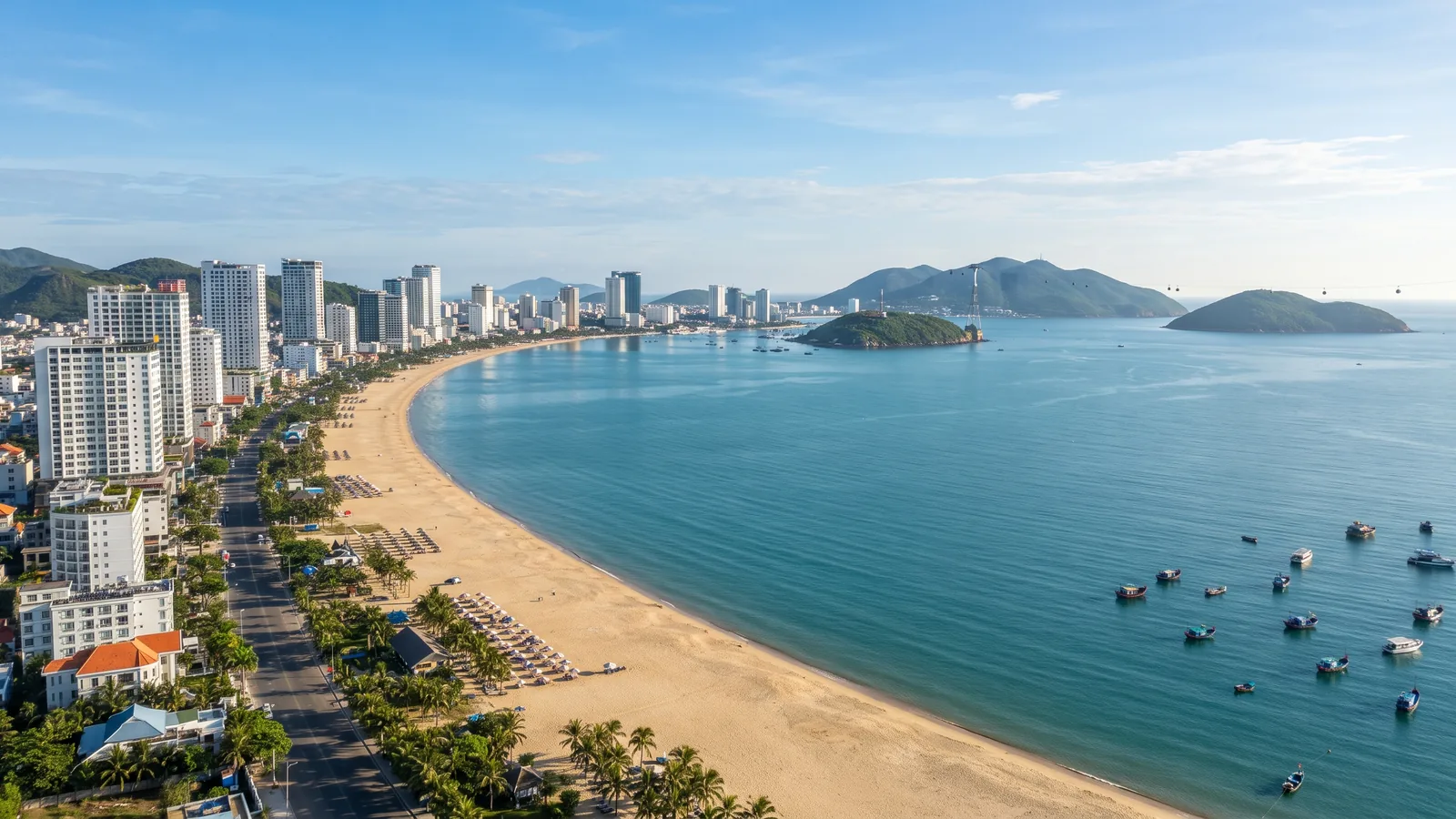
Vietnam has given Khanh Hoa a visa waiver aimed at one market and one way of travelling. Under Resolution 325/NQ-CP, signed on 12 October 2026, Chinese citizens on package tours can enter the province without a visa until the end of 2027, provided they fly direct from mainland China to Cam Ranh. For Nha Trang and Cam Ranh hotels, it is not a general reopening to China. It rewards hotels that already sell through tour operators and charter airlines.
Key facts
- Instrument: Government Resolution 325/NQ-CP, 12 October 2026, under the Vietnam–China Tourism Cooperation Year 2026–2027.
- Valid: 12 October 2026 to 31 December 2027.
- Who: Holders of ordinary mainland Chinese passports. Hong Kong and Macau passports are excluded.
- Conditions: Groups of two or more, a package tour run by a licensed Vietnamese international tour operator, a stay of up to 30 days, and travel only within Khanh Hoa.
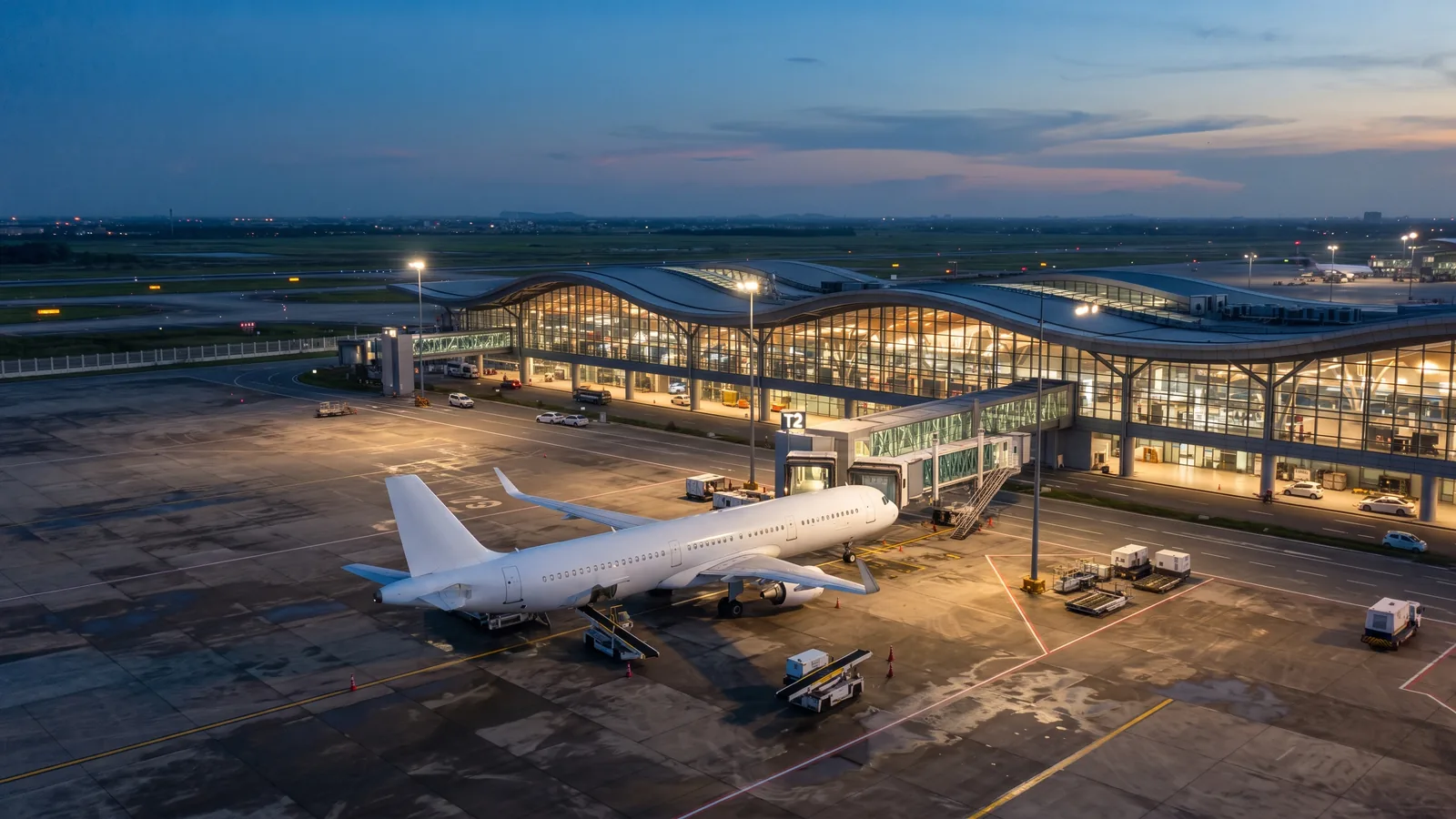
- Entry and exit: Direct flights from mainland China, entering and leaving through Cam Ranh International Airport.
- Not covered: Independent travellers, and anyone entering through another airport or border gate.
- Still pending: The Ministry of Culture, Sports and Tourism and the Ministry of Public Security must issue operating guidance, including how participating tour operators are selected.
What happened
China was Khanh Hoa’s dominant market before the pandemic. The Chinese consulate general in Ho Chi Minh City says the province received more than 2.5 million Chinese visitors in 2019, about 75% of its international arrivals. Provincial tourism figures reported by VnExpress show about 378,600 Chinese visitors in the first seven months of 2026, down more than 5.3%, behind Korea and Russia.
The province blames two shifts: Chinese travellers moving from group tours to independent travel, and fewer direct flights. The share of Chinese visitors connecting through other airports to reach Cam Ranh rose from 16% to 36%. Nationally, China is still Vietnam’s largest market, with more than 3.95 million arrivals in nine months, up 1.5%.
The waiver targets exactly those two gaps. It brings back the visa-free package tour, and it only works on direct routes.
Why it matters
Khanh Hoa’s other big markets are also soft. Korean arrivals to the province fell 5.63% in the first nine months, according to the provincial tourism association (see our Korean tourists piece). A policy that brings back Chinese groups is the fastest volume lever the province has.
But groups bring volume at group rates. Before 2020, Nha Trang’s Chinese business was built on charter series, tour operator allotments and thin margins, and it drew local complaints about zero-dollar tours. The waiver’s conditions, a licensed Vietnamese operator and a fixed package, push the market back towards that model.
What it means for you
1. The opportunity sits with tour operators, not with your booking engine
Only package-tour guests qualify, so demand will flow through the Vietnamese operators selected to run the scheme. Hotels that want a share should be in those operators’ contracting conversations now, before the guidance is out.
2. Direct seats decide the size of the effect
No direct flight means no waiver. Watch which Chinese carriers and charter airlines add Cam Ranh rotations for the winter and Lunar New Year. That schedule is the real forecast.
3. Fence group rates
Set group allotments with release dates, minimum stays and blackout periods around Russian and Korean peaks, so group volume doesn’t push out higher-rate guests.
4. Prepare the operation
Mandarin-speaking front office staff, Chinese payment methods and breakfast menus helped win Chinese groups before 2020. Hotels that let them lapse will need to rebuild them.
FAQ
Do individual Chinese tourists get visa-free entry to Nha Trang?
No. The waiver covers groups of two or more on a package tour run by a Vietnamese international tour operator.
Which airport must Chinese groups use?
Cam Ranh International Airport, on a direct flight from mainland China, entering and leaving through the same airport.
How long does the policy last?
From 12 October 2026 to 31 December 2027.
Can the groups travel outside Khanh Hoa?
No. The tour must stay within Khanh Hoa province.
Is the policy already operating?
It has applied since 12 October 2026, but the ministries still have to publish operating guidance, including how tour operators are chosen.