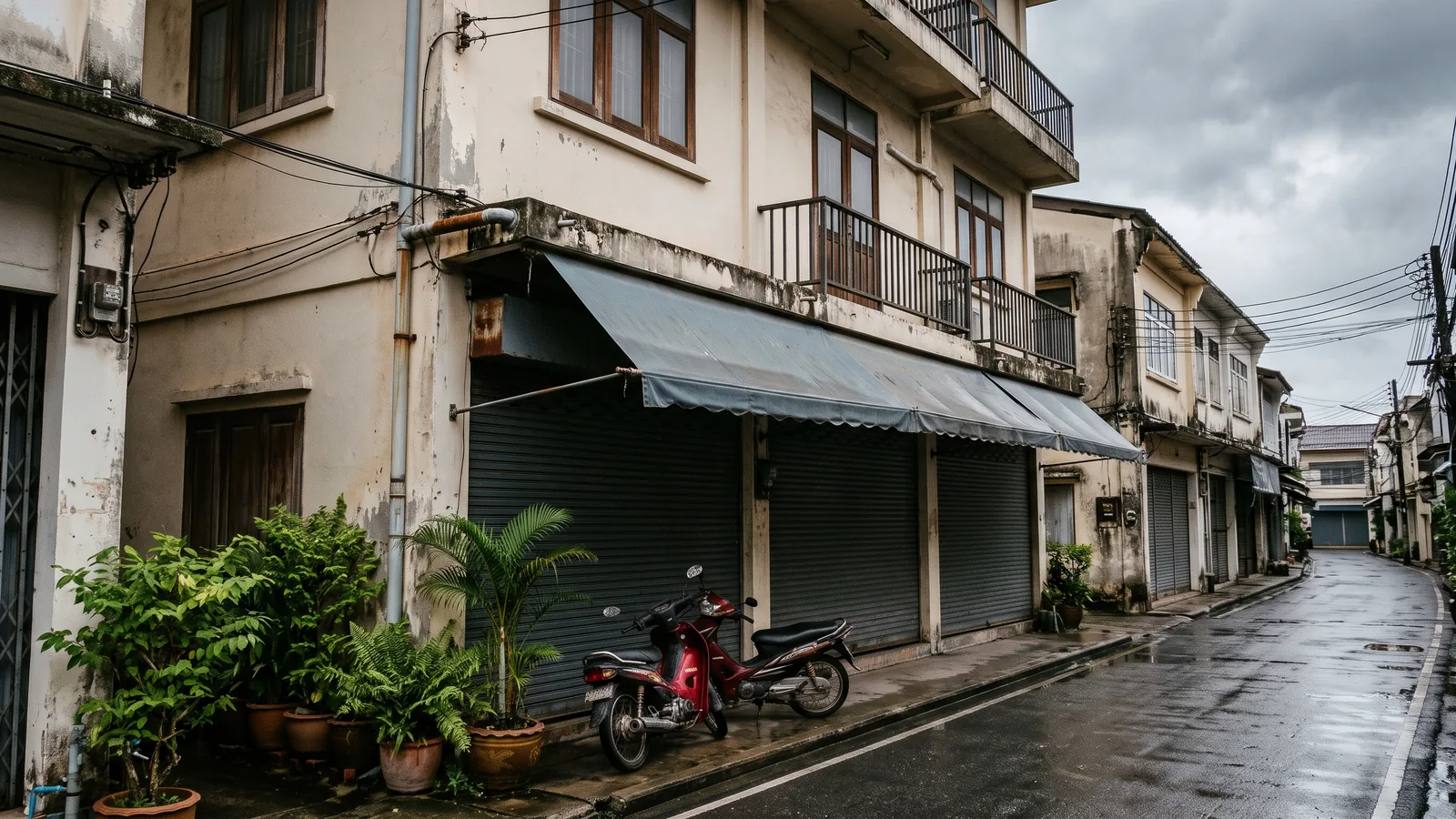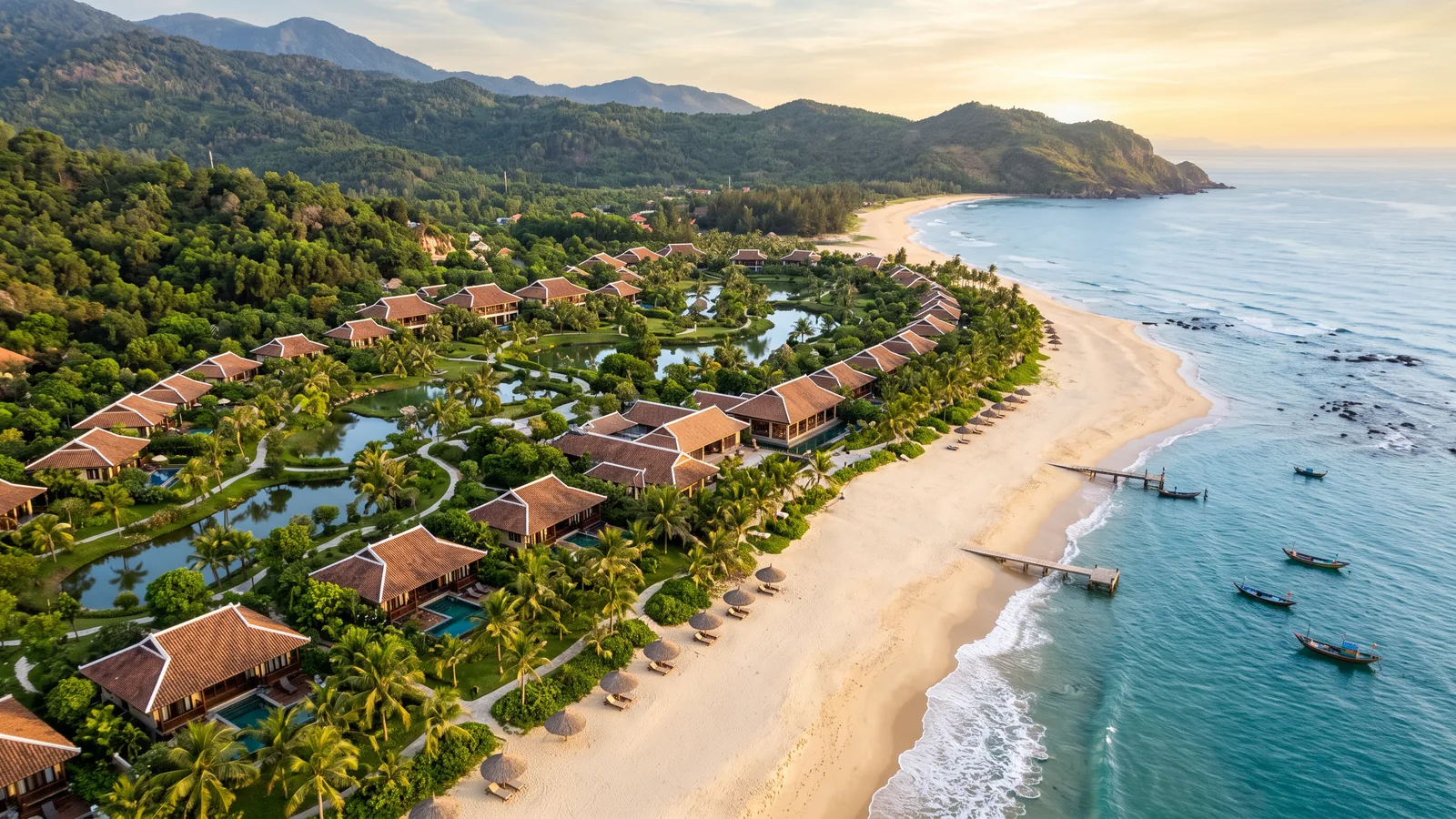
Vietnam wants a new set of tourism incentives, and they are aimed squarely at large projects. The culture and tourism ministry is preparing a National Assembly resolution with special mechanisms for the sector. The headline offer is a 10% corporate income tax rate for ten years. But standalone hotels are written out of it. For owners, the Vietnam tourism incentives reward scale, jobs and low-density design, not more rooms on a city plot.
Key facts
| Item | Detail |
|---|---|
| Instrument | Draft National Assembly resolution on special tourism mechanisms |
| Drafting body | Ministry of Culture, Sports and Tourism |
| Policy basis | Politburo Resolution 26-NQ/TW (22 August 2026) and Government Resolution 263/NQ-CP (7 September 2026) |
| Headline tax break | 10% corporate income tax for ten years for catalytic projects |
| Excluded | Casinos, betting, golf, standalone hotels, restaurants and shops, real estate transfers |
| Job test | At least 100 direct jobs for new projects |
| Local buying | At least 10% from local small firms by year three |
| Land rent | Up to 30% cut for green and shared areas at low-density 4-star-plus hotels |
| 2030 aims | About 1.5m rooms and 2.3m direct jobs |
| Timing | Planned for the second session of the 16th National Assembly |
What happened
The ministry has published a draft submission for the resolution. It follows Politburo Resolution 26-NQ/TW of August and a government resolution in September.
The draft creates a class of “catalytic” tourism projects. They would pay 10% corporate income tax for ten years, with a 50% cut in other taxes for five years. To qualify, a new project needs at least 100 direct jobs. An upgrade needs 30 new jobs and either a new main product or 20% more capacity. At least 10% of purchases must come from local small firms by the third year. The main tourism product must bring in at least 30% of the revenue. The provincial chair confirms who qualifies.
There are other offers. Firms that open training centres with at least 500 trainees a year could deduct 150% of training costs. New airline routes could get half of their landing and navigation fees covered in the first year, plus half the cost of destination campaigns, up to VND 2.5bn per route.
At a consultation on 26 October, the ministry set out seven policy groups and 21 issues. It proposed three tiers of projects: high quality, catalytic and strategic catalytic. It also floated a land-rent cut of up to 30% a year for landscape, green, water and shared areas at four-star-plus urban and resort hotels with a building density below 25%. New models, including wellness, night-time, coastal, riverside and green tourism, could get a five-year corporate tax exemption. An earlier draft had offered two years free and a 50% cut for three more.
Our read
This is a resort policy. The land-rent cut only works for hotels with large open sites and low density. Most city hotels are dense by design. The catalytic tax rate needs 100 jobs and a product that is more than rooms. A standalone hotel, however good, is excluded in plain words.
The winners are integrated resorts, wellness projects and large coastal schemes. Developers with land banks in places like Phu Quoc, Nha Trang and the central coast should read it closely.
The local buying rule is the hard part. Ten per cent from local small firms sounds modest. In remote resort areas, the supply base may not exist yet.
The text is still a draft. Terms changed between the earlier draft and the 26 October consultation, and they could change again before the National Assembly votes.
What it means for you
1. Resort developers
Model the 10% rate and the land-rent cut now. Low-density site plans could qualify for both.
2. City hotel owners
Do not count on the headline tax break. Look instead at training deductions and support for new business models such as night-time or wellness venues.
3. Operators and general managers
Start mapping local suppliers. If the 10% local buying rule stays, owners will need proof.
4. Investors
The 2030 aim of 1.5 million rooms means more supply. Incentives will pull capital to big resort projects. Price that competition into coastal deals.
FAQ
What are the new Vietnam tourism incentives?
A draft National Assembly resolution would give catalytic tourism projects a 10% corporate income tax rate for ten years, plus land-rent cuts, training deductions and support for new air routes.
Do standalone hotels qualify?
Not for the headline catalytic tax break. The draft excludes standalone accommodation, restaurants and shops.
What is the land-rent proposal?
A cut of up to 30% a year in rent for green, water and shared areas at four-star-plus hotels with building density below 25%.
When could the resolution pass?
The ministry plans to put it to the second session of the 16th National Assembly. The text is still a draft.