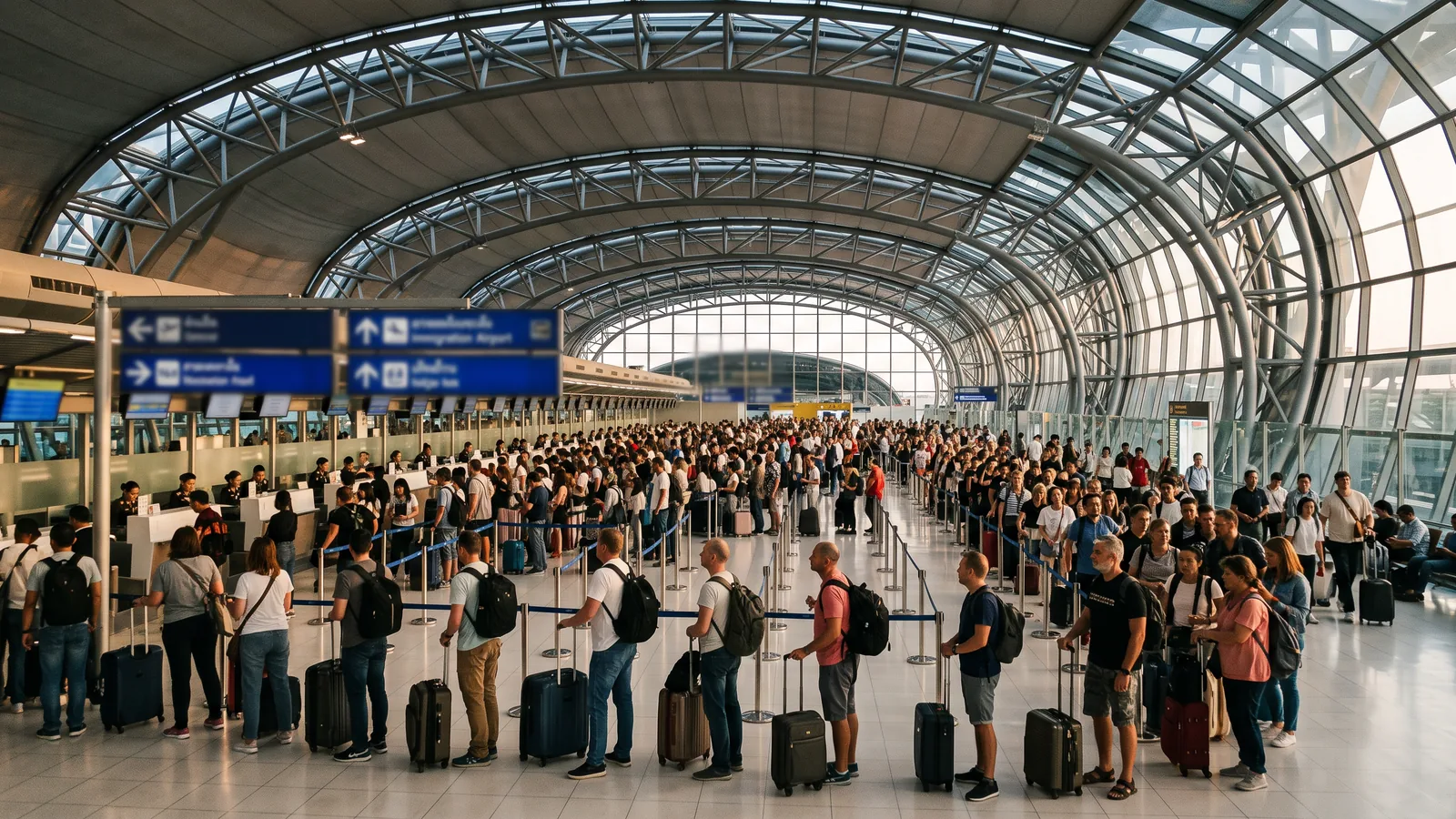
Bali wants much more from its tourist levy. The draft 2027 provincial budget sets a target of Rp600bn from the levy on foreign visitors. That is up from Rp500bn, a target the province missed in 2025 and expects to miss again in 2026. The reason is money. Central transfers to Bali are falling, and the province needs other income. For hotel owners, the Bali tourist levy is becoming an operational task, because hotels are now part of the collection network.
Key facts
| Item | Detail |
|---|---|
| Levy | Rp150,000 per foreign visitor, per visit |
| Started | February 2024 |
| 2024 collected | Rp318bn, about 32% of visitors |
| 2025 collected | Rp369bn against a Rp500bn target, 34.8% of visitors |
| 2026 | Target Rp500bn. Projection Rp403.11bn |
| 2027 | Draft target Rp600bn |
| Hotel role | At least 150 accommodation businesses collect for a 3% fee, since August 2025 |
| 2027 provincial revenue | Rp5.72tn, down 12.78% |
What happened
At a plenary session of Bali’s provincial parliament on 26 October, the Gerindra-PSI faction questioned the Rp600bn levy target in the draft 2027 budget. The faction pointed out that the levy raised Rp369bn in 2025 and is projected at Rp403.11bn in 2026. Both are well short of Rp500bn. It asked for the basis of the higher number.
The pressure comes from the budget. Bali expects 2027 revenue of Rp5.72tn, down 12.78% from Rp6.56tn. Transfers from Jakarta are set to fall by nearly half. Spending is planned at Rp6.19tn. Another faction, Golkar, called for a fairer split of hotel and restaurant tax between the province and its regencies.
In January, Governor Wayan Koster said the levy had reached only 34.8% of the 7.1 million foreign visits counted in 2025, up from 32% in 2024. He credited hotels that joined as collection points. Since August 2025, at least 150 accommodation businesses collect the levy from guests and keep a 3% fee.
Our read
The 2027 target is a compliance target, not a tourism target. Our calculation: at Rp150,000 a visit, Rp600bn means about 4 million paid visits. In 2025 about 2.46 million paid. With foreign visits near 7 million a year, Bali would need well over half of visitors to pay. That is a big jump from 35%.
The province has two ways to get there. It can push airlines and airports to collect at arrival, or it can push hotels harder. The second is cheaper for the government and already working at the margin. Expect more pressure on hotels to collect, and possibly rules rather than incentives.
For hotels the 3% fee is small. The real cost is staff time at the front desk and the guest experience at check-in. A guest asked to pay a tax on arrival does not always take it well.
What it means for you
1. Hotel owners
Decide now whether to become a collection point. The fee is small, but early joiners can shape how the process works.
2. General managers
Train the front desk. Explain the levy simply, take payment fast and keep records. Put the levy in pre-arrival emails.
3. Revenue managers
Do not add the levy to room rates. Show it as a government charge so it does not distort price comparisons.
4. Investors
Bali’s budget is tightening. Watch for other revenue moves, including changes to the hotel and restaurant tax split. See our view of Bali’s foreign arrivals in 2026.
FAQ
How much is the Bali tourist levy?
Rp150,000 per foreign visitor, per visit.
How much did the Bali tourist levy raise in 2025?
Rp369bn, according to Governor Wayan Koster. That was 34.8% of foreign visits.
What is the 2027 target?
Rp600bn in the draft 2027 provincial budget, up from Rp500bn in 2025 and 2026.
Can hotels collect the levy?
Yes. Since August 2025, at least 150 accommodation businesses have joined as collection points and receive a 3% fee.