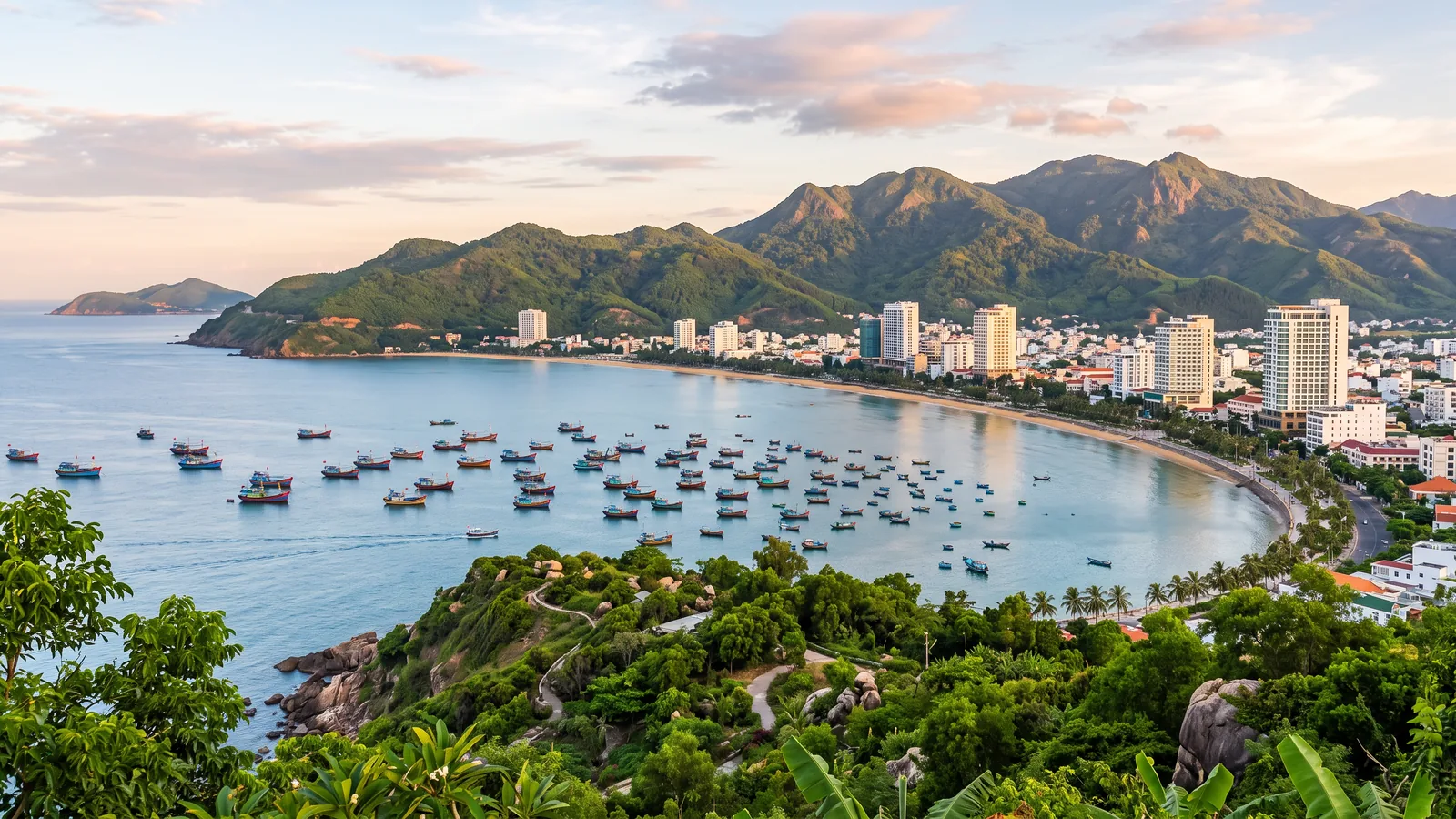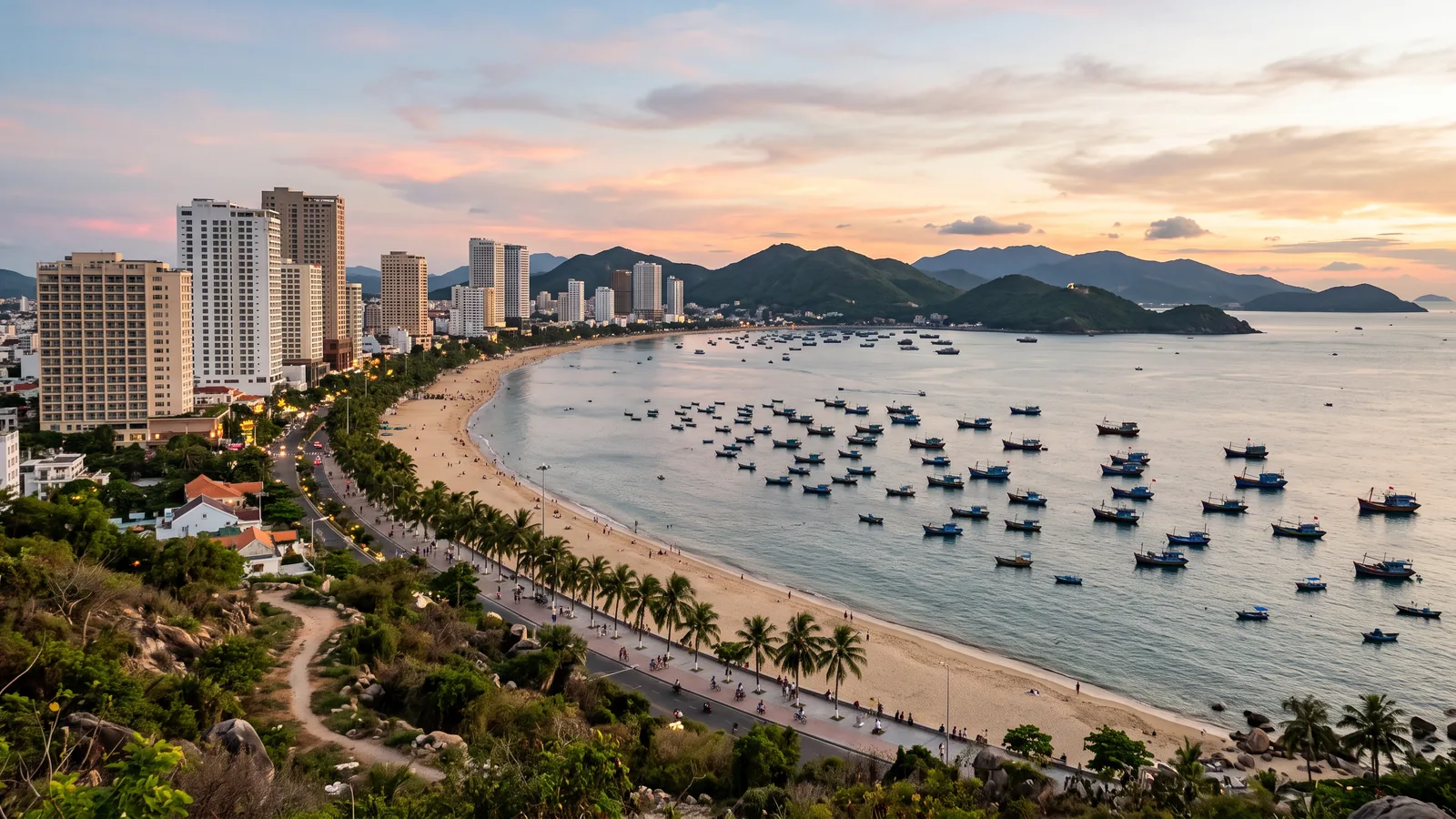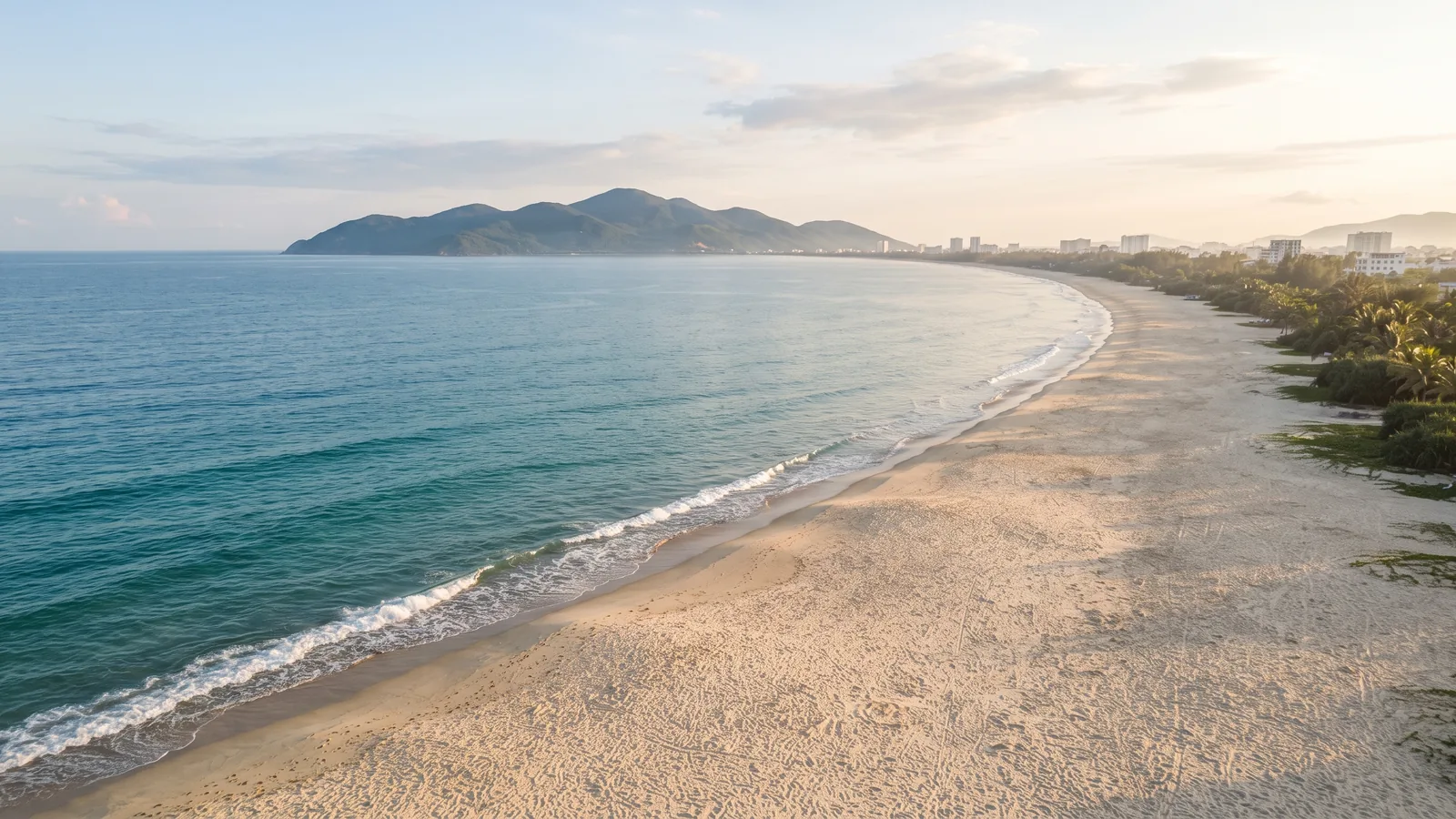
Da Nang is the only South-east Asian city on Skyscanner’s global list of trending travel destinations for 2027. Return-flight searches to the city rose 68% year on year, enough for seventh place worldwide in the travel search engine’s ranking of the fastest-rising destinations. For hotel owners and operators already building or converting in Da Nang — including the boutique supply we mapped — that is a forward demand signal worth putting next to air seats and pipeline keys, not a reason to raise rack rates on its own.
Key facts
- Rank: 7th on Skyscanner’s Trending Destinations for 2027 (global list).
- Metric: Year-on-year growth in return-flight searches.
- Da Nang growth: +68% globally; +81% in Skyscanner’s Australia-specific list.
- South-east Asia: Sole city from the region in the global top ten.
- Global top five: Bishkek (+501%), Hurghada (+186%), Malmo (+103%), Trapani (+95%), Samos (+75%).
- Also on the global list: Chongqing (+70%), Sal (+67%), Kittila (+65%), Guatemala City (+63%).
- Source framing: Skyscanner Travel Trends 2027, reported by Time Out and trade press in early October 2026.
What the list says
| Rank | Destination | YoY search growth (global) |
|---|---|---|
| 1 | Bishkek, Kyrgyzstan | +501% |
| 2 | Hurghada, Egypt | +186% |
| 3 | Malmo, Sweden | +103% |
| 4 | Trapani, Italy | +95% |
| 5 | Samos, Greece | +75% |
| 6 | Chongqing, China | +70% |
| 7 | Da Nang, Vietnam | +68% |
| 8 | Sal, Cape Verde | +67% |
| 9 | Kittila, Finland | +65% |
| 10 | Guatemala City, Guatemala | +63% |
Skyscanner builds the ranking from places with the largest year-on-year rises in return-flight searches. It is a curiosity and planning indicator, not a forecast of arrivals. Australian coverage of the same report put Da Nang fifth on that market’s rising list at +81%, behind Bishkek, Marseille, Iloilo and Lord Howe Island.
Why it matters for hotels
Da Nang already combines beach inventory, gateway traffic for Hoi An and inland day trips to Ba Na Hills. A search spike from long-haul and Australian shoppers supports the case for:
- protecting shoulder-season rates instead of discounting early;
- packaging with Hoi An and Ba Na rather than competing only on My Khe ADR;
- watching boutique and soft-brand openings that target the same “affordable beach city” brief — our Da Nang boutique hotels list is the local competitive set.
It does not, by itself, justify new large-scale luxury towers. Search growth can outrun airline seats and visa friction; Vietnam’s wider inbound story still hinges on China, Korea and the recovering Europe and India flows covered in our Vietnam hotel market page.
What it means for you
1. Read searches as a leading indicator, then check seats
Ask your GDS and airline partners whether Da Nang frequencies from Australia, Europe and North Asia are rising with the search curve. Search without seats becomes frustration, not occupancy.
2. Boutique and upper-midscale gain first
Skyscanner’s editorial framing stresses beaches, food and value. That mix favours well-run four-star and boutique product over unbranded budget stock.
3. Do not confuse Da Nang’s rank with Vietnam’s brand
The list is city-level. Phu Quoc and Nha Trang are absent from this particular top ten; their demand stories remain separate (see Sun Group–Marriott Phu Quoc).
4. Use it in owner and lender packs with a caveat
“+68% flight searches” is a clean chart for an investment memo if you label it as Skyscanner search growth for 2027 trends, not as confirmed 2027 arrivals.
FAQ
Is Da Nang the top destination in Asia on the list?
No. Chongqing ranks sixth globally. Da Nang is seventh and the only South-east Asian city in the top ten.
Does 68% mean arrivals will rise 68%?
No. It is growth in return-flight searches on Skyscanner, year on year.
What about Australian demand specifically?
Skyscanner’s Australia cut showed Da Nang searches up 81% year on year.
Who else in Vietnam made the list?
No other Vietnamese city appears in the global top ten reported by Time Out.