Thailand wants to bring its unlicensed hotels into the system by changing the law, not the buildings. The draft Thailand Accommodation Act, approved in principle by the Cabinet on 29 September, would replace the 2004 Hotel Act with three tiers. Small places would only notify a registrar, mid-sized ones would register, and only properties with more than 40 rooms or 150 guests would need a full licence. The Thai Hotels Association says the draft could weaken safety checks. For licensed hotel owners, the bigger change is competitive: thousands of informal rooms could become legal without meeting the rules they paid to meet.
Key facts
| Item | Detail |
|---|---|
| Law | Draft Accommodation Act, replacing the Hotel Act 2004 |
| Status | Approved in principle by Cabinet, 29 September 2026; not yet through Parliament |
| Tier 1: notify | Up to 8 rooms and up to 30 guests |
| Tier 2: register | 9 to 40 rooms, or 31 to 150 guests |
| Tier 3: licence | More than 40 rooms, or more than 150 guests |
| Guest records | Electronic register, submitted every 24 hours |
| Consumer rule | Guests may cancel and get a proportional refund if the stay does not match the advertising |
| Proposed daily fines | Up to THB10,000 or THB50,000, depending on the breach |
What happened
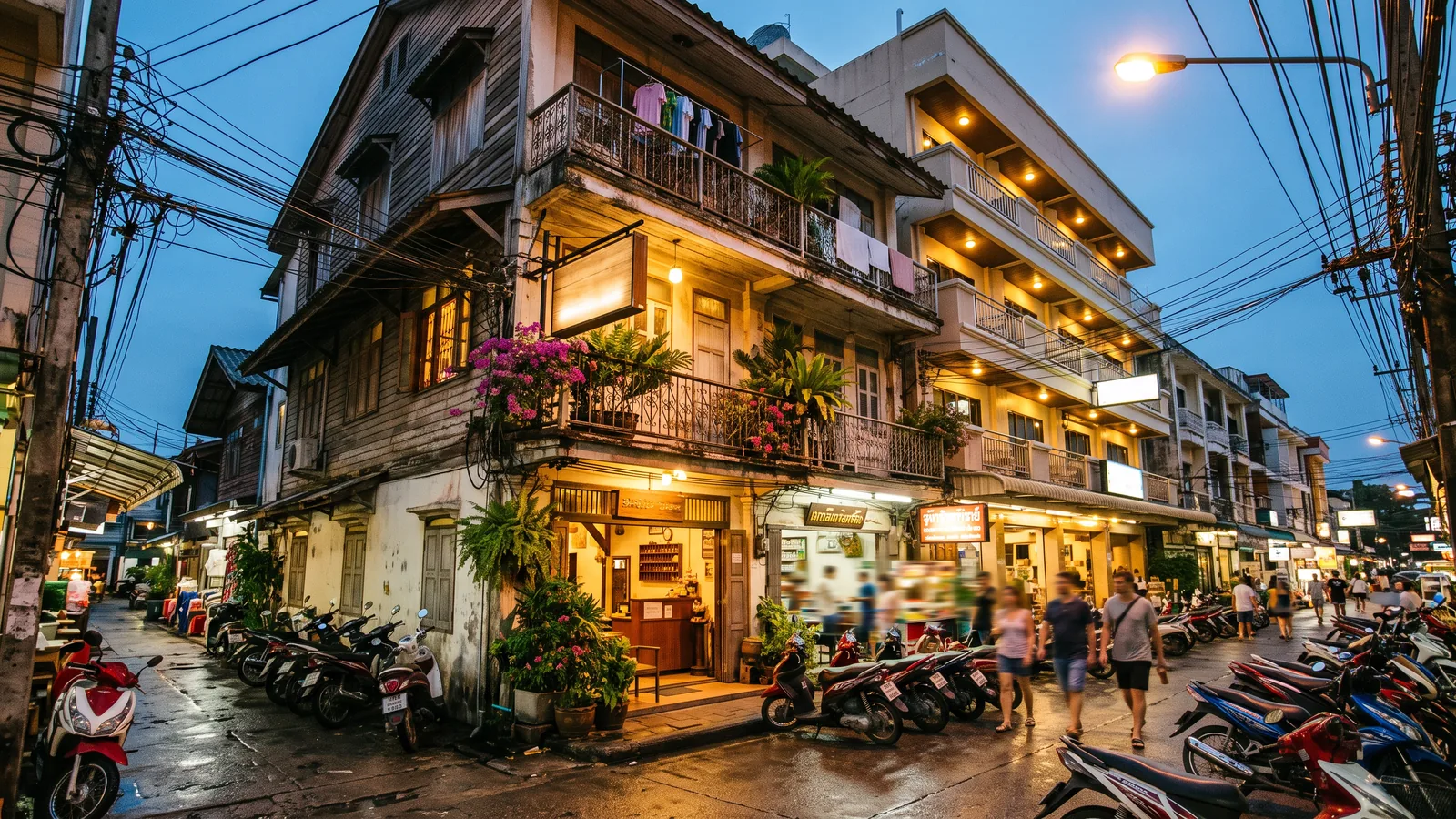
The government says the current Hotel Act was written for permanent hotel buildings and leaves out homestays, tents, treehouses, hostels, boutique hotels and condo rentals sold online. The draft would bring them in. Larger hotels would get a single licence covering related activities such as restaurants, pools, fitness centres and alcohol sales, and the Department of Provincial Administration would run an online system for applications.
The Thai Hotels Association has pushed back. Its president, Thienprasit Chaiyapatranun, says the Hotel Act was never the main obstacle to licensing. Building control, town planning and environmental law are. The association warns that the draft does not define which buildings can be used, so shophouses, offices and even factories could become short-stay lodgings. It also says properties that only notify or register may never face the annual engineering checks or environmental reviews that hotels do, and that simple notification could open protected and beach areas to building.
On platforms, the association wants online booking sites barred from listing properties without a valid certificate or licence, with real fines. It says daily fines of THB10,000 to THB50,000 mean little to a business taking THB1m to THB2m a day.
Our read: legalising supply is not the same as making it safe
The problem the law is trying to solve is real. Phuket officials say the island has about 5,000 hotel establishments but only around 800 valid licences. More than 400 licence applications had been stuck in Phuket’s system since 2018. Industry estimates put Phuket’s accommodation businesses at 8,000 to 9,000.
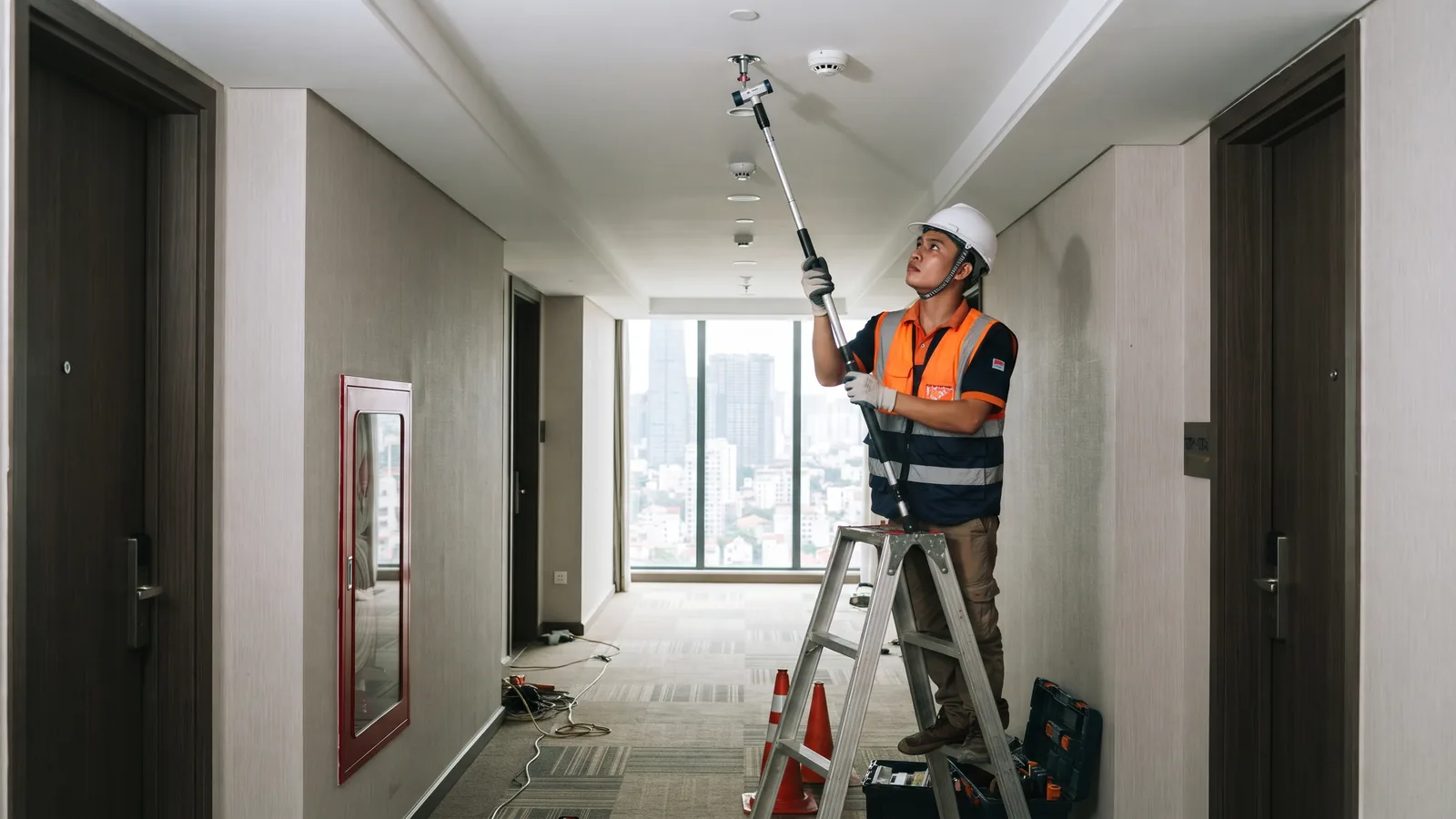
But the hotel association’s point is strong. If the barrier is building and zoning law, a new accommodation law that skips those checks makes informal rooms legal without making them meet the same standard. Licensed hotels that paid for fire systems, setbacks, wastewater plants and environmental studies would then compete with registered rooms that did not.
Phuket is trying a different route alongside the national law. Officials have proposed reviewing building control, town planning, land subdivision, condominium and environmental rules, and a Phuket “Licence Lab” is using volunteer architects to help small operators fix their buildings. That approach raises the standard. The draft Act, as written, lowers the bar to entry.
Why it matters
Thailand’s hotel market is softer on rate this year. Bangkok’s average daily rate fell in the third quarter, and arrivals are slightly below 2025, as our Bangkok Q3 market analysis shows. More legal supply at the small end would add pressure on budget and midscale hotels in Phuket, Pattaya, Bangkok and Chiang Mai.
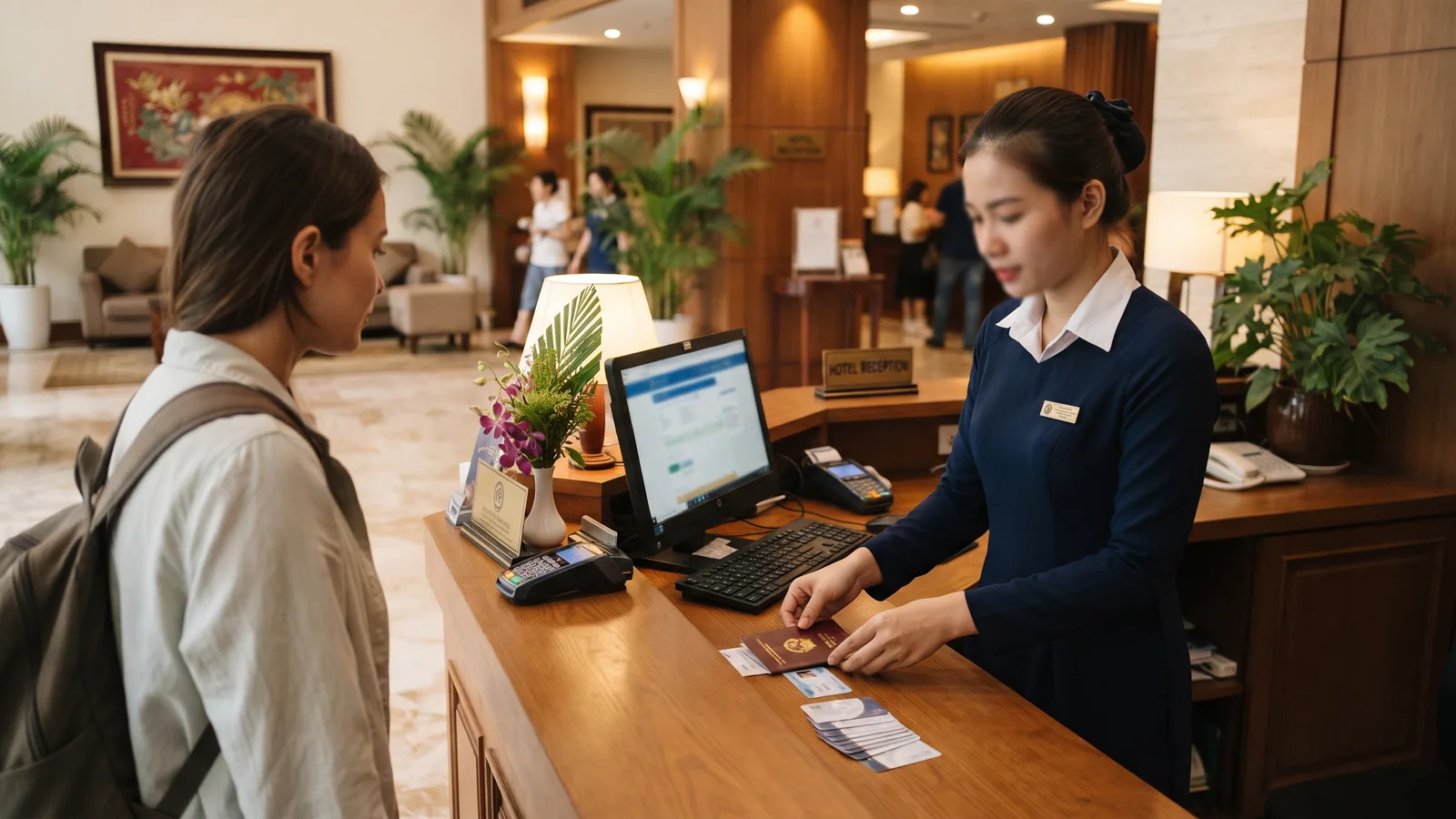
Guest data is the other change. A 24-hour electronic register would apply to every tier. Hotels already do this for immigration, but it would now be built into the accommodation law itself, with its own penalties.
What it means for you
1. Licensed hotel owners: engage before Parliament
The draft can still change. Work through the Thai Hotels Association and provincial hotel associations to push for clear building definitions and safety checks in the lower tiers.
2. Midscale and budget operators: price for more legal competition
If small properties can register easily, more of them will appear on booking platforms legally. Compete on safety, service and location, not only on rate.
3. Owners of unlicensed small properties: do not wait for the law
The final Act may still require building checks. Use programmes such as the Phuket Licence Lab to fix fire safety and access now.
4. Developers: check the zoning, not just the tier
Registration under the new law would not change town-planning or coastal rules. A project that breaks zoning stays at risk, whatever its tier.
FAQ
What is Thailand’s Accommodation Act?
A draft law, approved in principle by the Cabinet on 29 September 2026, to replace the Hotel Act of 2004. It would cover all kinds of accommodation, from homestays and tents to large hotels, under three tiers.
What are the three tiers in the draft Accommodation Act?
Places with up to 8 rooms and 30 guests notify a registrar. Places with 9 to 40 rooms, or 31 to 150 guests, register. Larger places need a full licence.
Why does the Thai Hotels Association oppose parts of the draft?
It says the draft does not define which buildings can be used, may let small properties avoid building and environmental checks, and does not make booking platforms responsible for listing unlicensed places.
Has the Accommodation Act become law?
Not yet. It has Cabinet approval in principle and still has to pass through Parliament.